
Tips for Reading Stories: How to Captivate Young Minds Through Storytelling
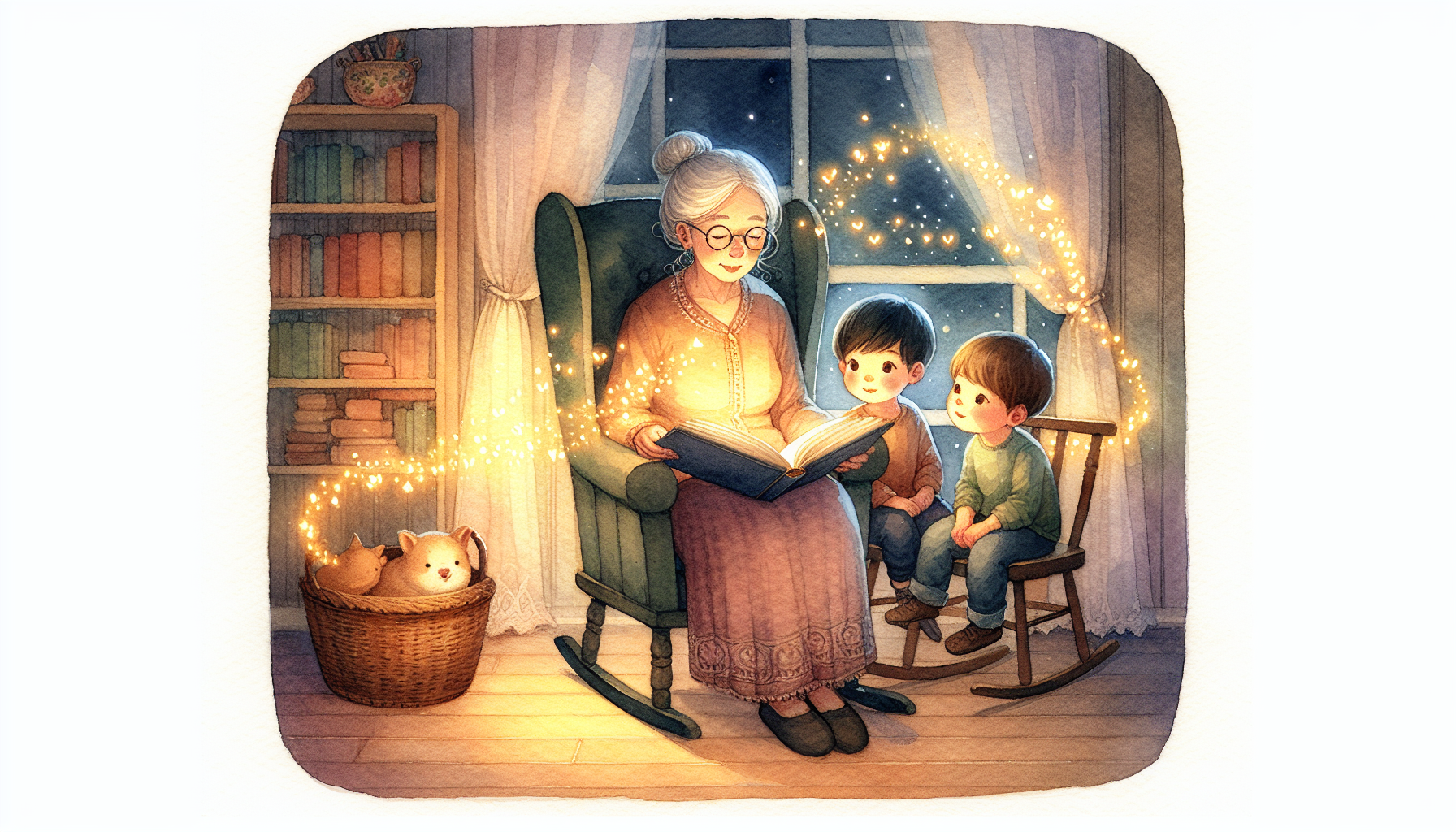
Reading stories is one of the most enchanting ways to transport young minds into different worlds. It's a magical experience that not only entertains but also educates, nurturing imagination and linguistic development in children.
The art of storytelling has been passed down through generations, serving as a bridge that connects the past with the present. Whether you're a parent looking to connect with your child at bedtime or an elementary school teacher aiming to inspire your students, these tips for reading stories will help you create memorable moments and encourage lifelong learning.
Narrative Techniques That Bring Stories to Life
Narrative techniques are the backbone of storytelling. They help bring stories to life and engage listeners in a way that makes them want to hear more. Employing the right techniques can transform a simple tale into an epic journey that captivates the imagination.
Use Vivid Descriptions
Paint a picture with words. Use vivid descriptions to help your audience visualize the scenes. For example, instead of saying, "The forest was scary," you could say, "The dense, shadowy forest loomed over them, its gnarled branches twisting like ancient claws."
Vivid descriptions act as a canvas for the mind, allowing listeners to build their own version of the world you're narrating. This not only makes the story more engaging but also stimulates the listener's creativity and imagination.
Play with Pacing
Vary the speed of your storytelling. Slow down during suspenseful moments to build tension, and speed up during action-packed scenes to convey excitement. This keeps your audience on the edge of their seats.
By mastering the art of pacing, you can control the emotional journey of your listeners, making them feel the urgency or tranquility of each moment.
Introduce Relatable Characters
Create characters that your audience can relate to. Whether they're brave, curious, or mischievous, relatable characters draw listeners into the story and make them care about the outcome.
Relatable characters act as mirrors, reflecting the audience's own experiences, fears, and dreams. By forming a connection with the characters, listeners become emotionally invested in the narrative.
Use Repetition for Emphasis
Repetition can be a powerful tool to emphasize important points or themes. It also helps younger listeners remember key details and reinforces learning. When used effectively, repetition creates a rhythm that resonates with the audience, making the story more memorable.
Engaging Reading Strategies
Great storytelling is more than just the words you use—it's about how you deliver those words. The delivery transforms the storytelling experience, turning a simple reading into a captivating performance.
Vary Your Tone and Volume
Use different tones and volumes to match the mood of the story. Whisper during secretive or suspenseful parts, and raise your voice for exciting or triumphant moments. This adds depth to your storytelling and keeps listeners engaged.
By modulating your voice, you can convey a wide range of emotions, drawing your audience deeper into the narrative.
Incorporate Sound Effects
Bring the story to life with sound effects. You can clap your hands for thunder, rustle paper for leaves, or tap a surface for footsteps. These sounds make the story more immersive and fun.
Incorporating sound effects turns storytelling into a multi-sensory experience, engaging listeners on multiple levels. It can also inspire children to create their own sound effects, fostering creativity and active participation.
Encourage Interaction
Invite your listeners to participate in the story. Ask them questions about what they think will happen next, or have them mimic actions or sounds from the story. This interaction keeps them actively engaged and stimulates their imagination.
Encouraging interaction transforms passive listeners into active participants, enhancing their engagement and developing critical thinking skills.
Use Technology Wisely
Incorporate technology to enhance the storytelling experience. Use apps that provide sound effects, animations, or interactive elements. However, ensure that technology complements the story and doesn't overshadow the narrative.
When used thoughtfully, technology can add a new dimension to storytelling while keeping the essence of the story at the forefront.
Curating Stories with Cultural Heritage
Stories are a bridge to different cultures and times. By curating stories that reflect cultural heritage, you provide children with a broader understanding of the world and its diverse narratives. This exposure to varied perspectives fosters empathy and open-mindedness.
Choose Stories from Various Cultures
Introduce your audience to stories from different cultures. This not only broadens their horizons but also fosters appreciation and respect for diversity. Exploring stories from various cultures allows listeners to step into the shoes of others, gaining insights into different ways of life, values, and traditions.
Highlight Timeless Tales
Include classic tales that have been passed down through generations. These stories often carry universal themes and morals that remain relevant, teaching valuable lessons about life and human nature.
Timeless tales serve as a testament to the enduring power of storytelling, offering wisdom and guidance that transcends cultural and temporal boundaries.
Discuss Cultural Context
After reading a story, discuss its cultural background with your audience. Explain any unfamiliar customs, traditions, or terms. This deepens their understanding and connection to the story while encouraging curiosity and dialogue about different cultures.
Creating Memorable Storytelling Moments
The goal of storytelling is to create moments that leave a lasting impression. These moments become cherished memories that listeners carry with them long after the story is over.
Set the Scene
Create an inviting atmosphere for storytelling. Dim the lights, use a cozy blanket, or even gather around a pretend campfire. The setting can enhance the mood and make the experience more immersive.
By setting the scene, you transport your audience into the world of the story, making it a tangible and engaging experience.
Personalize the Story
Incorporate personal touches into the story. Use your listeners' names for characters or relate elements of the story to their own experiences. This personalization makes the story more relatable and memorable.
Personalizing the story creates a unique connection between the storyteller and the audience, making each session distinct and meaningful.
Encourage Reflection
After the story, encourage your audience to reflect on what they've heard. Ask them what they liked or learned, and discuss any emotions or thoughts the story evoked. Reflection helps solidify the story's impact and encourages critical thinking.
The Educational Benefits of Storytelling
Storytelling isn't just about entertainment—it's a powerful educational tool with lasting benefits:
Language Development: Hearing stories helps children develop vocabulary, grammar, and language comprehension. They learn new words, phrases, and sentence structures, which enhances their communication skills.
Imagination and Creativity: Stories stimulate imagination and creativity. They encourage listeners to visualize new worlds, situations, and characters, fostering creative thinking and problem-solving skills.
Emotional Intelligence: Through stories, children learn to empathize with characters, understand different emotions, and recognize social cues. This boosts their emotional intelligence and interpersonal skills.
Cultural Awareness: Storytelling introduces children to different cultures and traditions, broadening their understanding and appreciation of the world's diversity.
Start Your Storytelling Journey Today
Storytelling is a timeless art that enriches the lives of both young listeners and their families. By using effective narrative techniques and engaging reading strategies, you can make storytelling sessions magical and memorable.
Whether you're a parent or a teacher, these tips for reading stories will help you foster a deeper connection with your audience, nurture their imagination, and encourage lifelong learning.
Explore Stories on Cuentautor
Put these storytelling tips into practice with our collection of beautifully illustrated, professionally narrated bedtime stories — available in 17 languages:
- Little Red Riding Hood — A timeless classic about caution and family love
- The Ugly Duckling — A powerful story about self-acceptance and transformation
- Hansel and Gretel — Sibling teamwork and overcoming fears together
- Puss in Boots — Cleverness and loyalty in a fun adventure
- Snow White — Kindness triumphing over envy
- The Little Mermaid — Following your dreams with courage
- Sleeping Beauty — Patience and dreams coming true
- Jack and the Beanstalk — Pure adventure with a message about bravery
Browse all stories for free on Cuentautor →
So grab a storybook, gather your audience, and embark on a storytelling adventure that will stay with them for years to come. As you weave tales that captivate and inspire, you contribute to a legacy of learning, creativity, and empathy that will shape the future.