
Short Bedtime Stories
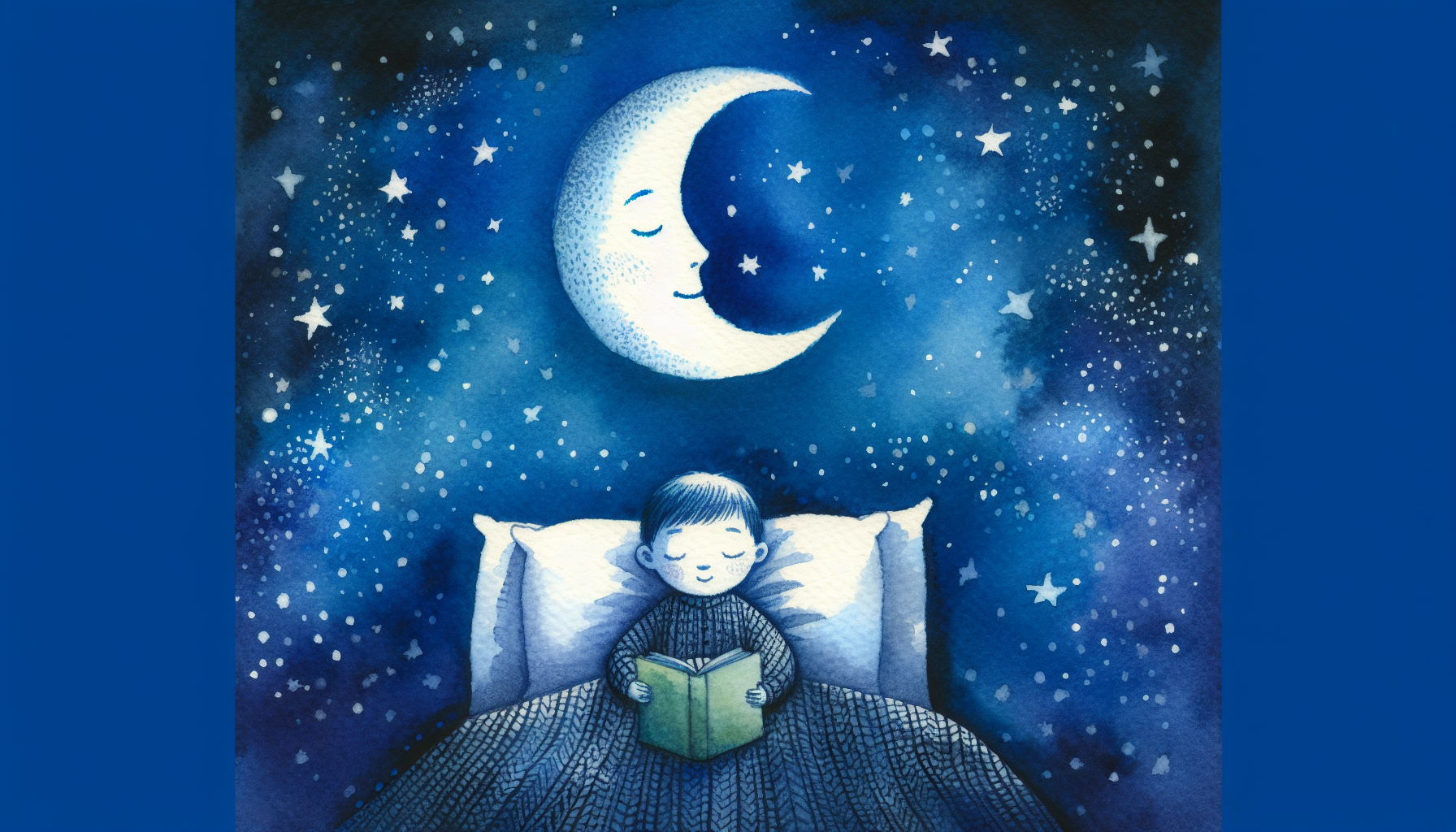
Bedtime is a sacred ritual for families, a time when the day's hustle and bustle gives way to quiet reflection and bonding. Through the gentle art of storytelling, parents and children alike can share precious moments of wonder and imagination. Short bedtime stories have the power to transport young minds to magical realms, fostering creativity and a love for reading. In this article, we delve into the enchanting world of bedtime tales and explore how they can enrich the lives of both children and families.
Summary
This article explores how short bedtime stories soothe children while nurturing imagination, language development, and parent–child connection. It highlights timeless and modern story recommendations, plus quick reads for busy nights. Practical tips cover expressive reading, encouraging participation, thoughtful use of technology, and creating a cozy setting. It also underscores educational benefits—building a love of literature, critical thinking, and vocabulary—encouraging families and teachers to make storytelling a cherished ritual.
The Importance of Bedtime Stories
Bedtime stories are more than just a nightly routine; they are an essential part of childhood development. These tales can help children wind down after a busy day, providing a soothing transition to sleep. But the benefits extend far beyond relaxation. Storytelling nurtures imagination, builds language skills, and strengthens the bond between parent and child.
Fostering Imagination and Creativity
From fairytale castles to talking animals, bedtime stories open the door to fantastical worlds where anything is possible. These narratives encourage children to think creatively, sparking their imagination and allowing them to explore new ideas. As they listen to stories, children learn to visualize scenes, develop empathy for characters, and even create their own endings.
Building Language and Listening Skills
Bedtime stories are a wonderful way to introduce new vocabulary and concepts in a context that is both engaging and memorable. As children listen to stories, they absorb sentence structures, grammar, and word usage, all of which contribute to their linguistic development. Additionally, the act of listening attentively to a story enhances their concentration and comprehension skills.
Strengthening Family Bonds
The shared experience of reading a bedtime story creates a special connection between parents and children. It is a time to cuddle, share laughter, and enjoy each other's company without the distractions of daily life. These moments become cherished memories, laying the foundation for a lifelong love of reading and learning.
Timeless Bedtime Stories for Kids
With countless tales to choose from, it can be overwhelming to find the perfect bedtime story. Here, we present a selection of timeless favorites that are sure to delight young listeners.
Classic Fairytales
Fairytales have captivated audiences for generations, offering timeless lessons wrapped in enchanting narratives. Stories like Little Red Riding Hood, Snow White, and Hansel and Gretel continue to be beloved by children and parents alike. Other timeless classics include Rapunzel, The Ugly Duckling, and The Three Little Pigs. These tales often feature memorable characters and moral lessons, making them ideal bedtime stories.
Modern Adaptations with Audio
Modern adaptations like Alice in Wonderland and Rumpelstiltskin offer fresh takes on classic storytelling with professional audio narration. The Steadfast Tin Soldier and The Valiant Little Tailor combine captivating narration with beautiful illustrations, perfect for bedtime reading.
Quick Stories for Busy Nights
For nights when time is short, stories like The Princess and the Pea and The Ugly Duckling offer heartwarming narratives with audio that can be enjoyed in just a few minutes. These stories are perfect for toddlers and preschoolers, providing a comforting end to the day.
Tips for Creating Memorable Storytelling Experiences
To make the most of bedtime storytelling, consider these tips for creating immersive and magical experiences:
Use Your Voice
Vary your tone, pitch, and volume to bring characters and scenes to life. Use different voices for different characters, and don't be afraid to get animated with your storytelling. Your enthusiasm will be contagious, drawing your child into the story.
Encourage Participation
Invite your child to participate in the storytelling process. Ask open-ended questions about the story, encourage them to guess what happens next, or let them take a turn narrating. This not only makes the experience more interactive but also enhances their comprehension and critical thinking skills.
Use Audio Stories
While traditional storytelling is timeless, audio narration can add an exciting dimension to bedtime stories. Professional narrators bring characters to life with expressive voices, sound effects, and perfect pacing. This allows parents to enjoy the story alongside their children, or gives tired parents a helping hand on busy nights.
Create a Cozy Environment
Set the stage for a magical storytelling experience by creating a cozy environment. Dim the lights, snuggle under a warm blanket, and eliminate distractions. This helps your child relax and focus on the story, making bedtime a calming and enjoyable ritual.
The Impact of Bedtime Stories on Education
Bedtime stories are not only a cherished family tradition but also a valuable educational tool. Teachers can harness the power of storytelling to inspire curiosity, nurture a love for literature, and instill a sense of cultural appreciation in their students.
Inspiring a Love for Literature
By introducing students to a diverse range of stories, teachers can foster a lifelong love for reading. Stories that highlight different cultures, traditions, and perspectives help broaden students' understanding of the world and encourage empathy for others.
Nurturing Imagination and Critical Thinking
Storytelling encourages students to think creatively and critically. As they explore different narratives, students learn to analyze plot developments, understand character motivations, and make connections between stories and real-life experiences.
Enhancing Linguistic Skills
Through storytelling, students are exposed to rich language and diverse vocabulary. This exposure enhances their linguistic skills, including vocabulary acquisition, grammar, and sentence structure. Storytelling also improves listening comprehension, which is crucial for academic success.
Listen to These Stories Now
All the classic bedtime stories mentioned above are available with professional audio narration on Cuentautor. Simply press play and let your child drift off to sleep with beautifully narrated tales.
Our most popular bedtime stories:
- Little Red Riding Hood - A timeless tale of bravery
- Snow White - The classic princess story
- The Ugly Duckling - A beautiful story of transformation
- Hansel and Gretel - An adventure in the forest
- Rapunzel - The girl with the magical hair
- The Three Little Pigs - A lesson in perseverance
👉 Browse our complete collection of bedtime stories
Conclusion
Short bedtime stories are a magical gateway to a world of imagination, learning, and connection. Whether you're a parent looking to create cherished memories with your child or a teacher seeking to inspire young minds, storytelling offers endless possibilities. By embracing the art of storytelling, you can enrich the lives of children, nurture their development, and foster a lifelong love for reading and learning. So, gather your favorite tales, snuggle up with your little ones, and embark on a nightly journey to dreamland.
Frequently Asked Questions
Why are short bedtime stories important for children and families?
They're more than a calming routine—they support development and connection. Short bedtime stories help children wind down, spark imagination, and build language and listening skills by exposing them to new vocabulary, sentence structures, and ideas. Sharing stories also strengthens the parent–child bond through cuddling, laughter, and undistracted time together, creating cherished memories and nurturing a lifelong love of reading.
How can I make bedtime storytelling more engaging and memorable?
Use your voice, invite participation, and set the scene. Bring characters to life with varied tone, pitch, and volume. Ask open-ended questions, let your child predict what happens next, or give them a turn narrating to boost comprehension and critical thinking. Create a cozy environment—dim the lights, snuggle under a warm blanket, and remove distractions—so the focus stays on the story.
Is it okay to use audio stories during bedtime?
Yes—used thoughtfully, audio stories can enhance the experience. Professional narrators bring characters to life with expressive voices and perfect pacing. This allows parents to enjoy the story alongside their children, or gives tired parents a helping hand on busy nights. Keep the mood calm and pair audio stories with closeness to preserve the soothing, connective feel of bedtime.
What are some good classic bedtime stories?
Mix timeless tales with fresh favorites. Classics like Little Red Riding Hood, Snow White, and Hansel and Gretel offer memorable characters and moral lessons. The Ugly Duckling teaches self-acceptance, while The Three Little Pigs demonstrates perseverance. For slightly older children, Alice in Wonderland offers imaginative adventures.
How do bedtime stories support learning at school and at home?
Storytelling fuels curiosity, critical thinking, and language growth. Teachers and families can use diverse tales to inspire a love for literature and cultural appreciation. As children analyze plots and characters, they practice critical thinking and empathy. Regular exposure to rich language boosts vocabulary, grammar, sentence structure, and listening comprehension—skills vital for academic success.