
Exploring the Meaning of "Tung Tung Tung Sahur

Storytelling is a timeless tradition, weaving threads of culture, history, and imagination into the fabric of our lives. It serves as a powerful tool for sharing knowledge, values, and beliefs across generations. One such intriguing phrase that has captured the curiosity of many is "Tung Tung Tung Sahur." This phrase is not just a collection of sounds; it carries with it a rich tapestry of cultural significance, particularly during the holy month of Ramadan. The resonance of these words extends beyond mere auditory experience, touching upon the core of communal and spiritual practices.
In this article, we'll delve into the meaning of "Tung Tung Tung Sahur," explore its cultural roots, and discover how you can incorporate its magic into your storytelling sessions with children. By understanding the depth of this phrase, we can appreciate the beauty of cultural rituals and the role they play in shaping our identities. This exploration will also highlight the universality of storytelling as a means to connect with others and foster a sense of belonging.
Summary "Tung Tung Tung Sahur" evokes the rhythmic drum call that wakes communities for the pre-dawn Ramadan meal, symbolizing shared purpose, heritage, and unity, especially in parts of Indonesia and Malaysia. This article explains the phrase’s meaning and cultural roots and offers practical ways to weave it into children’s storytelling using sound, visuals, and interactive participation. It highlights educational benefits—from language development and cultural appreciation to imagination and creativity. Embracing this motif in stories deepens connection, belonging, and respect for diverse traditions.
Exploring the Meaning of "Tung Tung Tung Sahur
Storytelling is a timeless tradition, weaving threads of culture, history, and imagination into the fabric of our lives. It serves as a powerful tool for sharing knowledge, values, and beliefs across generations. One such intriguing phrase that has captured the curiosity of many is "Tung Tung Tung Sahur." This phrase is not just a collection of sounds; it carries with it a rich tapestry of cultural significance, particularly during the holy month of Ramadan. The resonance of these words extends beyond mere auditory experience, touching upon the core of communal and spiritual practices.
In this article, we'll delve into the meaning of "Tung Tung Tung Sahur," explore its cultural roots, and discover how you can incorporate its magic into your storytelling sessions with children. By understanding the depth of this phrase, we can appreciate the beauty of cultural rituals and the role they play in shaping our identities. This exploration will also highlight the universality of storytelling as a means to connect with others and foster a sense of belonging.
Summary "Tung Tung Tung Sahur" evokes the rhythmic drum call that wakes communities for the pre-dawn Ramadan meal, symbolizing shared purpose, heritage, and unity, especially in parts of Indonesia and Malaysia. This article explains the phrase’s meaning and cultural roots and offers practical ways to weave it into children’s storytelling using sound, visuals, and interactive participation. It highlights educational benefits—from language development and cultural appreciation to imagination and creativity. Embracing this motif in stories deepens connection, belonging, and respect for diverse traditions.

What Does "Tung Tung Tung Sahur" Mean?
The phrase "Tung Tung Tung Sahur" is commonly associated with the pre-dawn meal during Ramadan, known as "Sahur." This meal is a vital component of the fasting ritual, providing nourishment and energy for the day ahead. In many cultures, especially in Indonesia and Malaysia, the phrase is synonymous with the sound of the traditional drum or bell used to wake people for this important meal before the day of fasting begins. The rhythmic cadence serves as a communal alarm clock, uniting neighborhoods in the shared experience of preparing for the day's spiritual and physical journey.
The Role of the Drum
The rhythmic "Tung Tung Tung" evokes the sound of the drum, a call to rise and prepare for the day ahead. This auditory signal is more than just a wake-up call; it is a reminder of community and shared purpose, bringing families together in the quiet hours of the morning. The drumbeat echoes through the streets, creating a sense of unity and anticipation as households stir to life. Historically, the drum has been a symbol of communication, used in various cultures to convey messages and rally communities, reinforcing the bond between individuals and their cultural heritage.
Cultural Significance
Beyond its practical purpose, "Tung Tung Tung Sahur" is a cultural emblem. It reflects the heritage and traditions passed down through generations, serving as a bridge between past and present. The phrase invites us to explore the stories and customs that enrich our cultural identity. It is a reminder of the resilience and continuity of traditions that have withstood the test of time. This cultural symbol also highlights the diversity within the Muslim world, showcasing how different communities celebrate and honor the sacred month of Ramadan in unique ways. By delving into this cultural significance, we gain insight into the values and beliefs that underpin these practices.
Bringing "Tung Tung Tung Sahur" into Your Storytelling
As a parent or teacher, incorporating "Tung Tung Tung Sahur" into your storytelling can create a magical experience that captivates young minds. Storytelling becomes a dynamic tool that not only entertains but also educates and inspires. Here's how you can do it:
Use of Sound and Rhythm
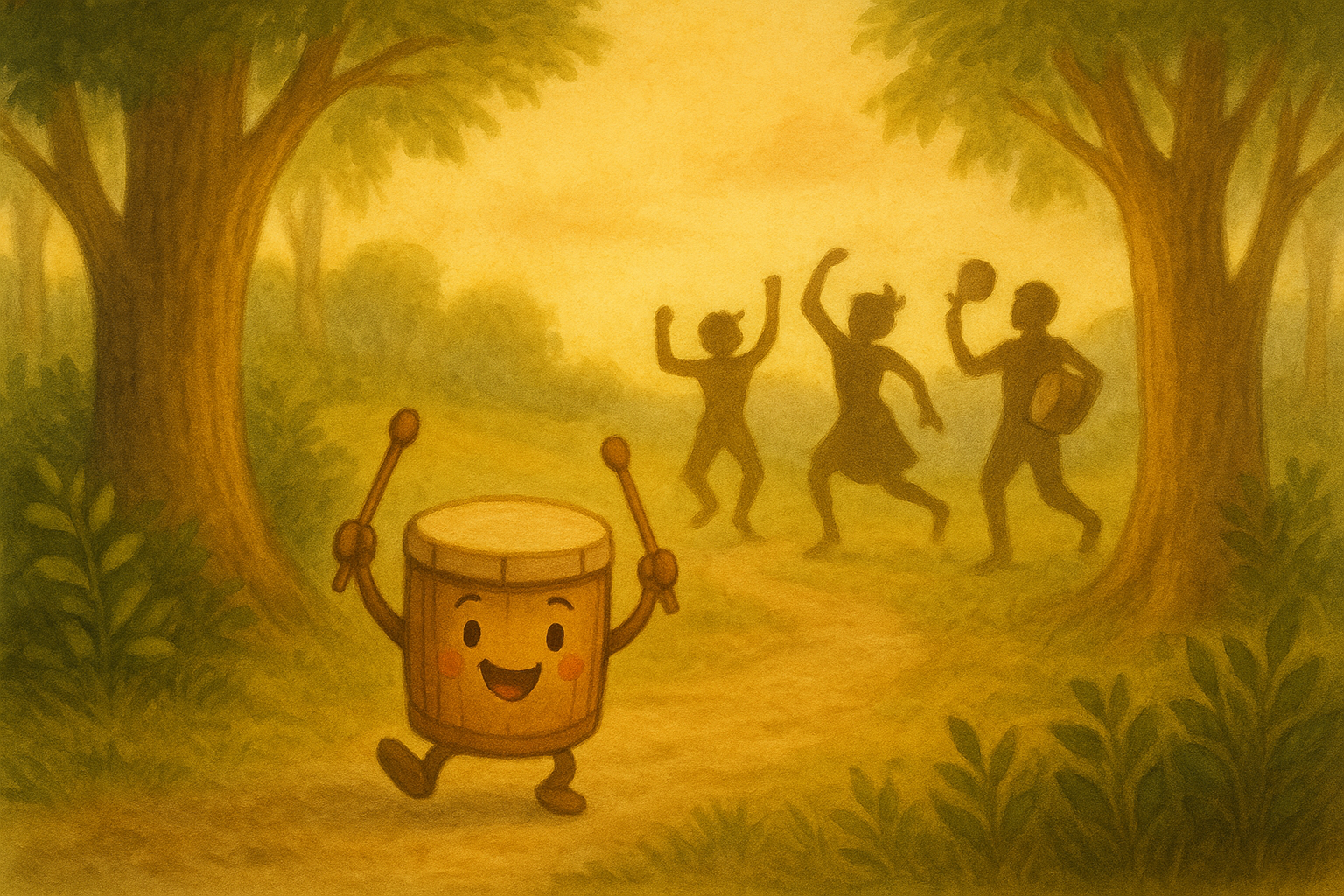
Create an immersive environment by mimicking the sound of the drum. Use a small drum or even a makeshift one from household items to replicate the "Tung Tung Tung" rhythm. This sensory element not only engages children but also helps them associate sounds with cultural practices. The rhythm serves as an auditory cue that can transport listeners to a different time and place, enhancing their connection to the story. By integrating sound into storytelling, you create a multi-sensory experience that enriches the narrative and deepens the listener's engagement.
Visual Storytelling
Enhance the storytelling experience with visuals. Consider using illustrations or digital images that depict scenes of families gathered for Sahur or children waking up to the sound of the drum. These visuals can help children visualize the stories and connect with the cultural context. Visual aids serve as powerful tools for comprehension and retention, allowing young audiences to grasp complex ideas and cultural nuances. By combining visual elements with storytelling, you create a holistic experience that appeals to various learning styles and fosters a deeper understanding of the cultural significance of "Tung Tung Tung Sahur."
Interactive Story Sessions
Incorporate interactive elements into your storytelling. Encourage children to participate by tapping along with the rhythm or creating their own Sahur stories. This involvement fosters creativity and strengthens their connection to the narrative. Interactive storytelling encourages active participation, transforming listeners into co-creators of the story. By engaging in this collaborative process, children develop critical thinking skills and a sense of ownership over their learning experiences. This interactive approach also nurtures a sense of community, mirroring the collective spirit embodied by "Tung Tung Tung Sahur."
Educational Benefits of Storytelling with "Tung Tung Tung Sahur"
Storytelling is not just about entertainment; it's a powerful educational tool that supports linguistic development and cultural awareness. Through storytelling, children are exposed to new ideas, perspectives, and ways of thinking, broadening their horizons and enhancing their understanding of the world.
Language Skills
Engaging with stories like "Tung Tung Tung Sahur" helps children develop vocabulary and comprehension skills. They learn new words, understand sentence structure, and enhance their listening abilities. Storytelling provides a context for language learning, making it easier for children to grasp new concepts and apply them in real-life situations. By hearing and repeating phrases, children improve their pronunciation and fluency, building a solid foundation for future language acquisition.
Cultural Appreciation
Stories rooted in cultural heritage, like those involving "Tung Tung Tung Sahur," instill a sense of pride and appreciation for one's own culture and that of others. They teach children the value of diversity and the richness of global traditions. By exploring different cultural narratives, children learn to respect and celebrate differences, fostering empathy and understanding. This cultural appreciation lays the groundwork for a more inclusive and harmonious society, where individuals are valued for their unique contributions and perspectives.
Imagination and Creativity
Storytelling stimulates imagination, encouraging children to visualize characters, settings, and events. This creative process is crucial for cognitive development and problem-solving skills. By engaging with stories, children learn to think critically and creatively, developing the ability to generate new ideas and solutions. Storytelling also provides a safe space for children to explore their emotions and express themselves, promoting emotional intelligence and resilience.
Discover Culturally Rich Stories on Cuentautor
Explore stories from around the world, beautifully illustrated and narrated in 17 languages — including Indonesian:
- The Selfish Giant — A story about generosity and community
- The Ugly Duckling — Acceptance, patience, and transformation
- Rapunzel — Adventure, bravery, and the power of friendship
- Tom Thumb — Size doesn't matter when you have courage
Explore all stories on Cuentautor →
Conclusion: The Timeless Magic of "Tung Tung Tung Sahur"
Incorporating "Tung Tung Tung Sahur" into your storytelling sessions opens a world of wonder and learning for children. It offers a unique opportunity to connect with cultural traditions, enhance educational outcomes, and create cherished memories with your children or students. By embracing the magic of storytelling, you foster a love for learning and a curiosity about the world, inspiring the next generation to explore and appreciate the richness of cultural heritage.
As you explore the meaning and stories behind "Tung Tung Tung Sahur," remember that storytelling is a shared journey. It's about bringing people together, fostering understanding, and nurturing the next generation's love for stories and culture. This journey is not only about passing down knowledge but also about creating new narratives that reflect the evolving nature of our communities.
So, gather your family or classroom, beat the drum, and let the magic of "Tung Tung Tung Sahur" transport you to a world where stories come alive, and cultural heritage is celebrated. Embrace the power of storytelling to bridge gaps, build connections, and inspire a deeper appreciation for the diverse tapestry of human experience.